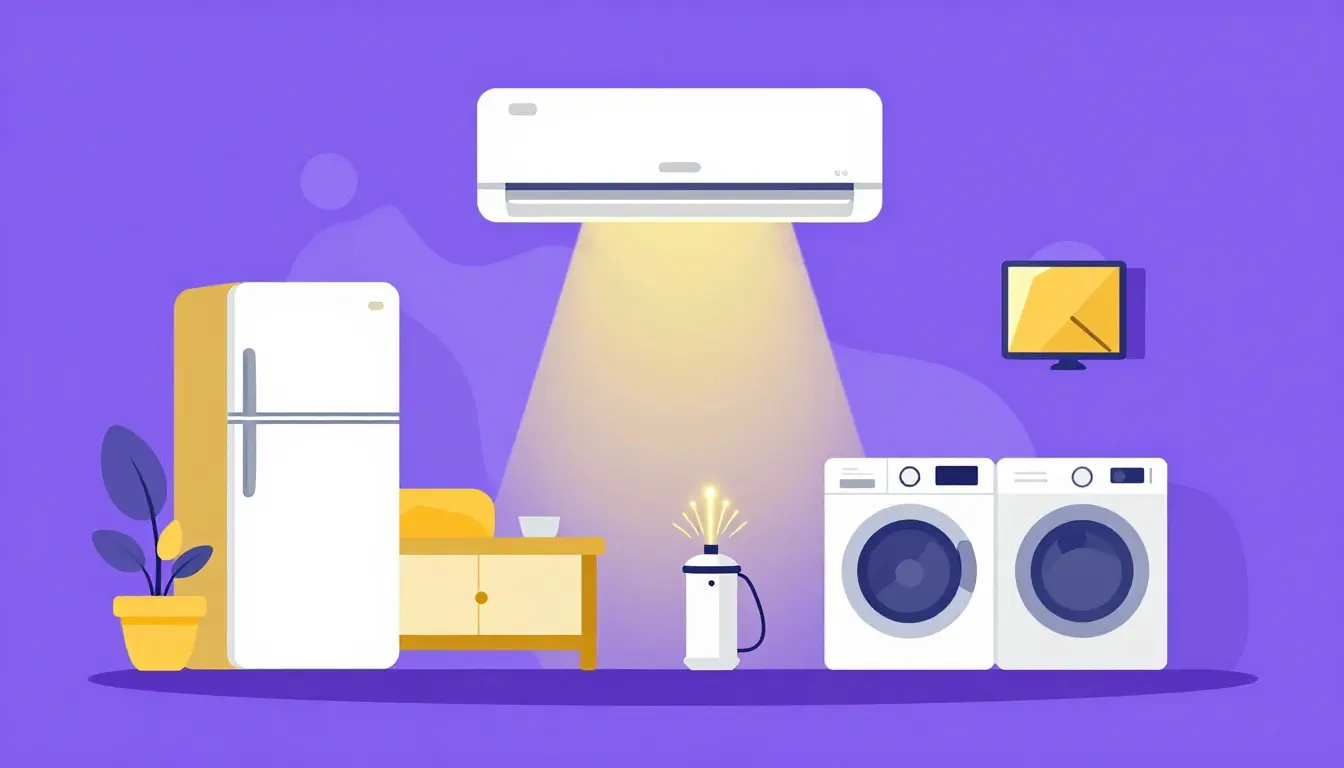
Roughly 9 units a day. That is the average monthly electricity diet of a typical Indian middle-class home, and most families are convinced they use far less than they actually do. Then the bill arrives and the number does not match the memory, so the blame goes to the "expensive" tariff, the "new" meter, or just luck. The productive reaction is different: manage units per day, not rupees, because the slab, the subsidy and the meter all read units. If units fall, the bill has no choice but to follow.
The fifteen moves below are grouped by where the money actually lives. None of them demand a home makeover or a stretch EMI. Several are zero-cost habits that show up on the very next bill, and three of them take less than five minutes this evening. Start at the top and work down; the order is deliberate, heaviest savers first.
The Cooling Problem: Your AC Is a Meter in Disguise
Nothing moves a summer bill like the air conditioner, so it earns the first three moves. The physics is stubborn: every degree you set below 24°C adds roughly 6% to the AC's consumption. A 1.5-ton unit at 20°C instead of 24°C across six evening hours is the difference between a cooling bill that makes sense and one that swallows the month.
- Run the AC at 24°C with the ceiling fan on. The fan pushes the room air so 24°C feels like 22°C, and it does so at a fifteenth of the AC's running cost. Comfort stays, consumption drops, and nobody in the house needs to wear a shawl in July.
- Use the timer and eco mode instead of overnight runs. An AC left on at 18°C through the night converts to hundreds of units. Set the auto-off for after you are asleep, use eco for the early hours, and cool the room hard for the first hour before letting the fan hold it.
- Close curtains to the sun side before the AC starts. A room that has been baking all afternoon costs far more to cool than one shaded since 2 pm. This is free, silent, and permanently available.
The Water Heater: Sixty Units That Obey a Clock
Every home with a geyser is sitting on the cheapest saving in this entire article. A 2,000 W geyser left running an hour a day burns roughly 60 units a month, and leaving it on "to keep the tank warm" doubles or triples that without a single extra bath being taken.
- Switch it on 30–40 minutes before use and off after. That simple habit cuts the geyser's month from 60 units to a third of that for most families. It is the highest-value behavioural change in this list, and it costs nothing.
- Fill the washing machine and wash cold. A half-filled drum doubles the number of wash cycles, and the heating coil inside a hot-water cycle is the most power-hungry part of the entire machine. Full drum, cold wash, and the washer's share of the bill drops by more than half in most homes.
Fans, Lights and the Fridge That Never Sleeps
The appliances that run longest are the ones whose efficiency improvements compound. Fans run for half the day most of the year, and the fridge never stops at all.
- Trade the old fans for BLDC. A brushless-DC ceiling fan draws 40–55% less than a conventional fan for the same airflow. Four old fans at 68 units a month become about 30 after the swap, and the payback is among the fastest of any appliance upgrade you can buy.
- Finish the LED conversion. Any remaining CFL or halogen bulb uses up to 75% more power for the same light. This is the most boring, most reliable saving in the book, and it costs less than a dinner out for the whole house.
- Defrost the fridge and clean the back coils. Frost makes the compressor work longer, and a fridge pressed against a warm wall does the same. The fridge runs 24/7, so any efficiency win there compounds across every hour of the day, easily shaving 15–25% of its bill.
The 5–10% You Feed While Nobody Watches
Standby load is the appliance that is not an appliance. Routers, set-top boxes, chargers, microwave clocks and the TV's red light together draw 10–30 W around the clock, which is 8–20 units a month, roughly 5–10% of a typical bill, all of it producing nothing. One switched power strip under the TV stand and one habit of flipping it at night removes the whole category. The router stays on if you need it for calls, everything else can sleep.
The Bill-Level Levers Everyone Skips
Habits only get you so far; three administrative moves belong above every habit because they fix the number your habits are measured against.
- Know your slab edge. Indian domestic tariffs price in slabs, and in telescopic designs the whole month reprices when a boundary is crossed. At 195 units, the difference between 195 and 205 is not ten units of electricity; it is the re-pricing of everything above it. The telescopic slab guide shows exactly how this arithmetic behaves.
- Verify the meter reading against the bill every month. One wrong digit, 4,812 shown on the meter but 4,912 billed, is a hundred units of error that takes a phone call to fix and months of dispute to get back. Walk to the meter, note the six digits, compare with the bill's "previous" and "present" readings.
- Check the tariff category and the sanctioned load. A home running a shop from the same meter can drift into a commercial category and pay double per unit. And the sanctioned load, the kW figure on the bill, sets the fixed charge; an oversized one means paying for capacity you never use. The sanctioned-load guide walks through both the check and the fix.
Making the Grid Work on Your Side
Two moves use the structure of the tariff itself rather than your discipline.
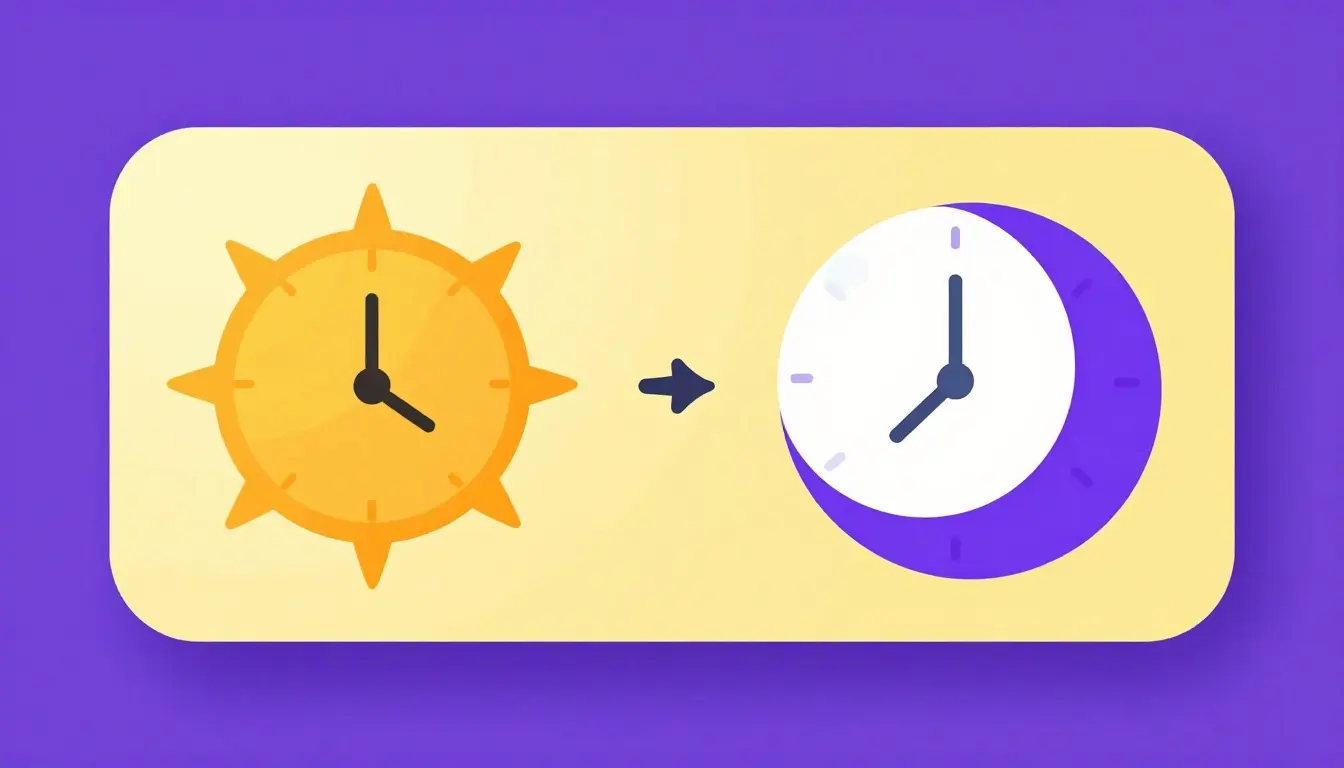
- Shift heavy loads to off-peak hours where time-of-day tariffs apply. Smart meters are bringing hourly pricing to more states, and units drawn in the evening peak cost more than the same units at night. The washer, the geyser and the iron all move to the cheaper window, and the bill moves with them.
- Check whether you are a solar candidate. Homes using more than about 300 units in summer with a roof that gets five-plus hours of sun are the threshold where rooftop solar starts paying back in the 3–5 year range. Size a system with the solar savings calculator before you talk to a vendor, so the numbers in the room are yours.
The Two Paperwork Moves That Guard the Total
The last pair protects the arithmetic the other thirteen moves worked to build.
- Pay on time. The late-payment surcharge runs about 1.5–2% a month, and it compounds. One habit of paying on the 28th instead of the 25th costs a couple of hundred rupees a year for no electricity at all. Set the auto-pay three days before the due date and remove yourself from the equation.
- Run the calculators before replacing anything. Every claim a vendor makes about "energy saving" is a number you can check. Feed your actual hours into the appliance cost calculator and the rupee answer tells you which three devices deserve an upgrade and which forty-minute habit is the real saving.
| Move | Effort | What it typically delivers |
|---|---|---|
| AC at 24°C + fan, timer, curtains | Settings, once | The largest single chunk of the summer bill |
| Geyser on for the useful window | Habit | Up to 40 units/month in hot-water months |
| BLDC fans | One-time purchase | 40–55% less per fan, forever |
| Standby strip switch-off | Instant | 5–10% of the whole bill |
| Slab-edge awareness | Reading one guide | Avoids whole-bill repricing |
| Meter-reading check | 2 minutes/month | Cancels phantom units |
| Category + sanctioned-load check | One phone call | Corrects wrong per-unit and fixed rates |
| Off-peak shifting, solar | Habit / investment | Cheaper units, or near-zero summer bills |
| On-time payment | Auto-pay, once | Avoids 1.5–2% monthly compounding |
None of this requires discomfort. The moves rearrange when appliances run and which numbers you trust, not whether the house stays cool. Start with the zero-cost five, the thermostat, the geyser clock, the strip switch, the meter walk and the auto-pay, measure this month's units per day against last month's, and only then spend money on the upgrades with the biggest verified gap.
FAQs
Which move delivers the fastest saving on the next bill?
The billing fixes work instantly: meter reading, tariff category, slab edge and on-time payment are all zero-cost and correct money that should not have been paid. After those, the AC settings deliver the largest visible drop, since cooling is usually the biggest single load in a summer home.
Why does my bill jump so abruptly when I cross a slab?
In a telescopic tariff, the higher slab's rate applies to the whole month's units once the boundary is crossed, not just the units above it. So 201 units can cost dramatically more than 200. Staying a few units below the edge is a real strategy in such states, not a superstition.
Is switching things off at the wall really worth it?
Standby loads, routers, decoders, TVs and chargers, typically make up 5–10% of a household bill and run 24/7 with no output. A switched strip cuts them entirely. Keep the router on if you need it for calls, and switch everything else at night.
Should I buy solar right away?
Only if the numbers support it. Above roughly 300 units of summer consumption with decent roof sun, a 2–5 kW system with the central subsidy typically pays back in 3–5 years. Under that, the habit moves in this article usually beat the panels on rupees per month.
My bill is already low but the fixed charge bothers me. What do I do?
Attack the sanctioned load, not the usage. If your connection is registered for more kW than your home ever draws simultaneously, apply to reduce it and the fixed charge drops to the smaller bracket. The procedure is laid out in the sanctioned-load guide.
How quickly will I see the results?
Habits like the geyser clock and standby switch-off show on the very next bill. The AC changes show fully in the following summer month. The administrative fixes, reading and category, show immediately if an error existed at all. Track units per day for one cycle and you will see every change land.
Founder & editor, BijliCalculator.in. Bijli tariffs, slab system aur DISCOM billing rules ko simple bhasha me samjhata hai — har number SERC tariff orders se verify karke. Koi correction ya sawaal ho to contact page par likho.