Your electricity meter is about to behave like a prepaid mobile connection: money in, power on; balance exhausted, power off; top up again, and the lights come back within minutes. Prepaid smart meters have moved from pilot to policy — the national distribution-scheme push is putting them up across states — and for most households the change is one of habit rather than hardware. You no longer wait for a bill; you watch a balance.
This guide covers how prepaid metering actually works, what changes on your bill (and what disappears), the recharge flow, the alerts, and the two features that quietly change your electricity spending: time-of-day pricing and the end of estimated readings.
What "Prepaid" Means When the Meter Holds the Money
In a postpaid connection, the DISCOM reads the register, prints a bill, and you pay within weeks of use. In a prepaid smart meter, you buy electricity in advance and the meter deducts the cost of what you use, in real time, from your balance. The meter knows the tariff — slabs, and where implemented, time-of-day rates — and applies it automatically to each unit. When the balance hits zero, the meter disconnects the supply; some DISCOMs allow a small grace window first. The next recharge restores power within minutes.
The important consequence is invisible until it matters: there is no estimated reading and no catch-up arrears, because there is no bill to settle. The two biggest shocks of postpaid billing — the "E" marking and the jump after a run of estimates — simply do not exist here.
The Rollout: Why Meters Are Changing at All
This is not a new tax or a new fee — it is the same tariff, collected differently. The national push, the Revamped Distribution Sector Scheme, funds prepaid smart meters so DISCOMs get accurate real-time consumption data, stop paying for meter readers and printed cycles, and remove the disputes that billing generates. For the consumer, the practical changes are the alerts you now receive, the balance you must manage, and — in states that have implemented it — time-of-day tariffs that reward shifting usage away from peak hours.
Postpaid vs Prepaid at a Glance
| Aspect | Postpaid | Prepaid smart meter |
|---|---|---|
| Billing | Bill after use, pay by due date | Pay first, deduct per unit |
| Estimated readings | Possible, with catch-up later | Impossible — every unit metered |
| Arrears | Can accumulate, with surcharge | None — supply stops at zero |
| Disconnection | Notice, then reconnection fee | Automatic, restored by recharge |
| Peak/off-peak pricing | Manual or absent | Automatic, applied by the meter |
| Balance visibility | Only at billing | Real time, app and meter display |
The rows that matter most are the middle two. Arrears and catch-up bills are the reasons most electricity arguments start; a prepaid meter removes both from the equation, because the meter cannot bill what was not paid for.
The Recharge, End to End
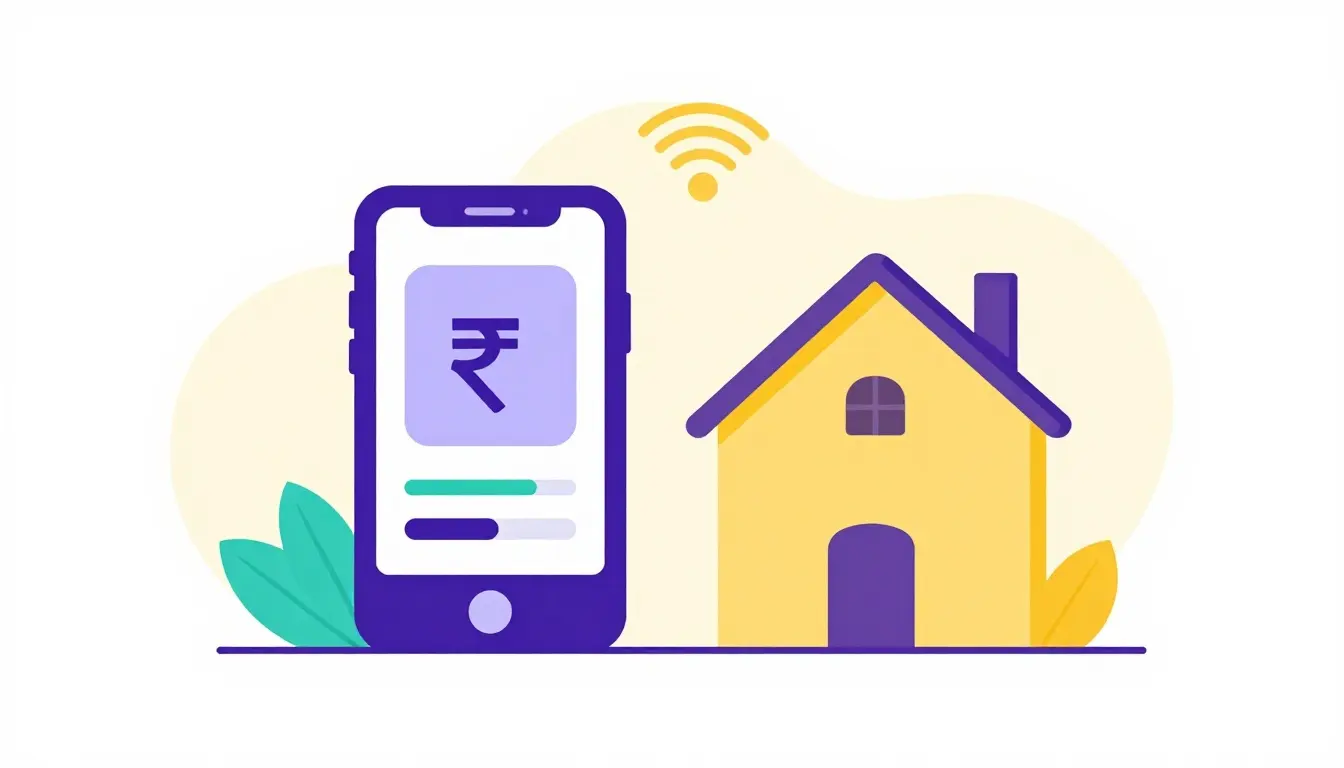
The flow is simple: open the DISCOM's app or web portal, select your consumer number, choose an amount — some DISCOMs let you buy in units instead — pay by UPI or through the BBPS network, and the value lands on the meter within minutes, often instantly, because the meter is connected to the communication network. Auto-recharge, like a phone's auto top-up, is available with most DISCOMs, and because you can buy in small amounts, weekly budgeting becomes genuinely possible.
The bill does not vanish; it changes form. Most DISCOMs still send a monthly statement or SMS summarising usage and balance — useful, because the meter's job is to enforce, and the statement's job is to inform.
Alerts, Buffers, and the Day Your Balance Hits Zero
Prepaid meters send low-balance alerts — typically SMS and app notifications at thresholds like ₹100 and ₹50 — and some DISCOMs allow a grace window after zero before the disconnect, in the same spirit as a mobile operator's lapsed validity. The practical rule is to keep a small buffer and to treat the alerts as your new due date. And if you do hit zero at midnight, a recharge restores the supply within minutes; you are never disconnected for a day waiting for an office to open.
The ToD Door It Unlocks
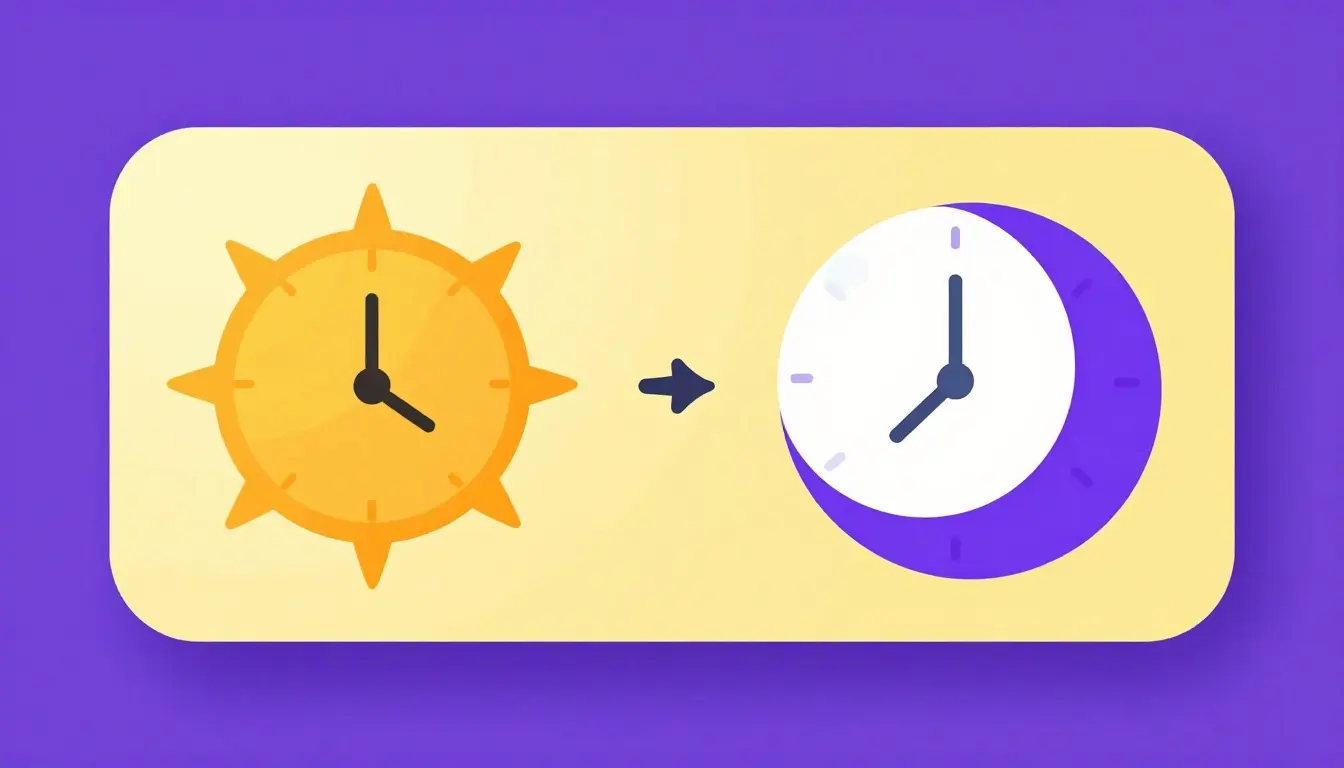
The feature most people underrate is time-of-day pricing. A prepaid smart meter records every 15-minute interval, so a peak/off-peak tariff is billed automatically and precisely. Bihar's 2026 domestic tariff is a live example: a 20% off-peak rebate and a 10% peak premium, applied by the meter without a single manual calculation. The result is a genuinely new decision — run the washing machine after 10 pm and it costs measurably less. The full mechanics of peak and off-peak billing are in our time-of-day tariff guide.
The "Faster Meter" Myth
The most common complaint in the first month after an upgrade is "the new meter runs fast". Almost always, the old meter was under-recording — electromechanical meters slow with age — and the smart meter shows true consumption for the first time. The way to check is the same units-per-day test used everywhere on this blog: compare current usage with your historical average before assuming anything. If the numbers genuinely do not add up, the accuracy standard for these meters is far tighter than anything old — roughly ±1.0% in service — and the full test-and-complaint ladder applies unchanged, as covered in our meter testing and CGRF guide.
The end of estimated billing also means the end of the catch-up shocks described in the doubled smart meter bill post: what the meter shows is what you used, and the balance is the proof.
What Changes in Your Routine
Three habits are worth building on day one. One: treat the balance like a wallet, not like a bill — small, frequent recharges beat one large one because you watch usage weekly. Two: keep the buffer above the DISCOM's zero threshold so the automatic disconnect never catches you mid-evening. Three: if your state runs time-of-day pricing, shift the heavy appliances — water heater, air-conditioner, washing machine — into the off-peak window. None of this takes minutes, and all of it is money you did not have to spend before. Appliance-level numbers and deeper savings tactics are in our reduce your bill guide.
One technical note that surprises consumers: the meter keeps a small internal battery for timekeeping so it continues to clock correctly through power outages — it does not power your house. If you genuinely believe the meter is wrong, your rights are unchanged: the same accuracy limit, the same meter-test request, and the same CGRF and Ombudsman ladder covered in our guide on meter testing and the CGRF route.
FAQs
What happens when a prepaid electricity meter reaches ₹0?
The supply disconnects automatically — either at zero or after a small grace window, depending on the DISCOM. Reconnection happens within minutes of the next recharge, so the outage lasts only as long as it takes you to top up.
How do I recharge a prepaid smart meter?
Through the DISCOM's app or web portal using UPI or BBPS, selecting your consumer number and the amount. The balance appears on the meter and in the app within minutes. Auto-recharge options exist in most DISCOMs.
Will my electricity bill disappear entirely?
The bill becomes the recharge ledger — you will typically still receive a monthly statement or SMS summarising usage and balance, but there is no pay-later amount, no estimated reading and no catch-up arrears.
My prepaid meter seems to run faster than the old one. Is it faulty?
Usually no — the old meter was likely under-recording, and the smart meter shows true consumption. Compare units or daily spend against your historical average first. The accuracy standard (±1.0% in service, ±2.5% on site) is far tighter than old meters ever achieved.
Do prepaid meters support time-of-day tariffs?
Yes, that is one of their main advantages — the meter records the hour of every 15-minute interval, so ToD pricing like Bihar's 2026 tariff (20% off-peak rebate, 10% peak premium) is billed automatically and accurately.
What if my prepaid meter is genuinely wrong?
Your rights are the same as with any meter: request a test (fee refunded if the meter is defective), demand the interval data, and escalate to the CGRF and the Electricity Ombudsman if the DISCOM does not act.
Founder & editor, BijliCalculator.in. Bijli tariffs, slab system aur DISCOM billing rules ko simple bhasha me samjhata hai — har number SERC tariff orders se verify karke. Koi correction ya sawaal ho to contact page par likho.